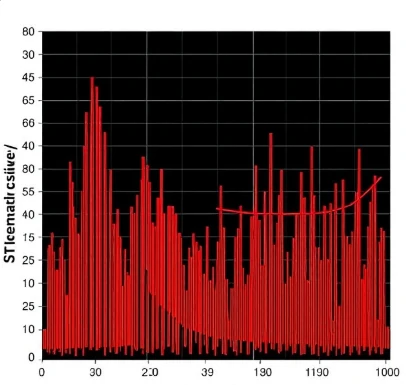
Synapses are not only capable of strengthening; they can also weaken in a persistent way. Long-term depression, or LTD, is a lasting reduction in synaptic efficacy that follows particular patterns of activity, often low-frequency stimulation or specific spike-timing relationships.
LTD helps refine neural circuits by reducing the influence of less useful connections. It occurs at many synapses in the hippocampus, cortex, and cerebellum, and it shares some molecular mechanisms with long-term potentiation while engaging distinct signaling cascades. Calcium levels, phosphatase activity, and receptor trafficking are all involved.
In the cerebellum LTD at parallel-fiber synapses onto Purkinje cells is thought to contribute to motor learning. In the hippocampus and cortex, LTD may support memory flexibility and the weakening of associations that are no longer valid. Disruption of LTD has been implicated in certain developmental and psychiatric conditions.
Together with potentiation, depression provides the bidirectional control needed for adaptive circuit modification.
Comments
No comments yet. Be the first to share a thought.
Leave a comment