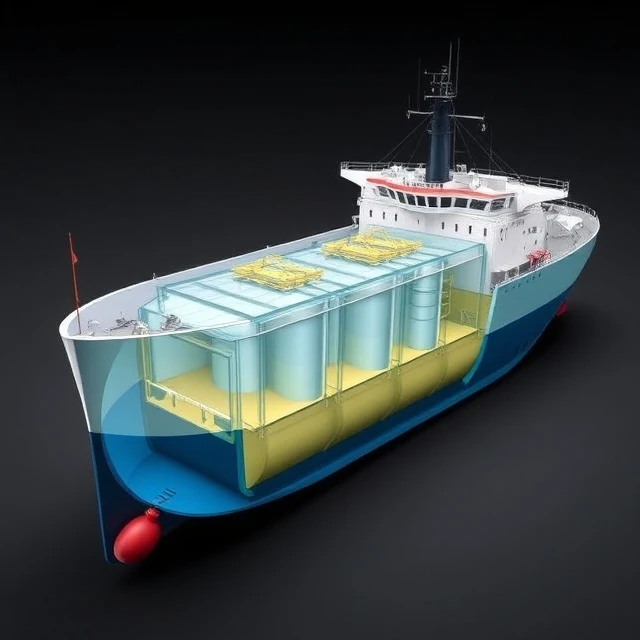
An empty ship rides high and becomes hard to handle. Ballast is weight—solid or liquid—carried specifically to lower the vessel, improve stability, and keep the propeller and rudder properly immersed.
Solid ballast once meant iron or stone; today almost all ships use water ballast pumped into dedicated tanks. The amount and distribution of ballast change with the cargo plan so that the ship remains within safe stress and stability limits. Ballast also affects draft and therefore which ports and channels the ship can enter.
Taking ballast on and discharging it are routine operations, yet they must be logged and, in many regions, managed to limit the transfer of invasive species. Stability software now helps officers calculate the right ballast configuration for each stage of the voyage.
- Weight added to improve ship stability and handling
- Usually seawater in dedicated tanks
- Adjusted with cargo load and voyage conditions
- Subject to environmental discharge rules
Comments (2)
Leave a comment