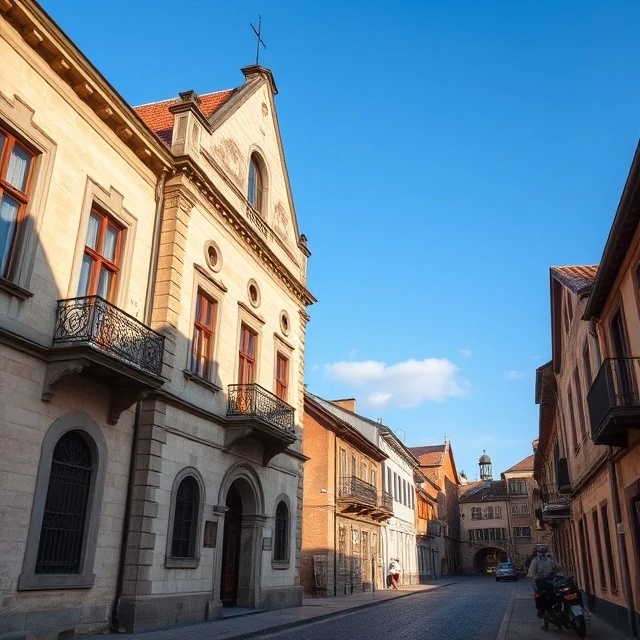
What a society chooses to preserve reveals what it values. Heritage encompasses the monuments, traditions, languages, and practices inherited from earlier generations and judged worthy of protection and transmission.
Tangible heritage includes buildings, artifacts, and landscapes; intangible heritage covers rituals, crafts, and oral traditions. National and international bodies designate sites and practices for legal protection. Contests frequently arise over whose heritage counts and who controls its interpretation and economic benefits.
Heritage can unify or divide. It supports tourism and education yet may also freeze living traditions or exclude marginalized groups. Historians and heritage professionals navigate the tension between conservation and change, authenticity and adaptation. The concept itself has a history, expanding from elite monuments to broader cultural expressions.
- Inherited traditions and monuments valued for preservation
- Includes tangible and intangible forms
- Subject to designation and contestation
- Balances conservation with living practice
Comments
No comments yet. Be the first to share a thought.
Leave a comment