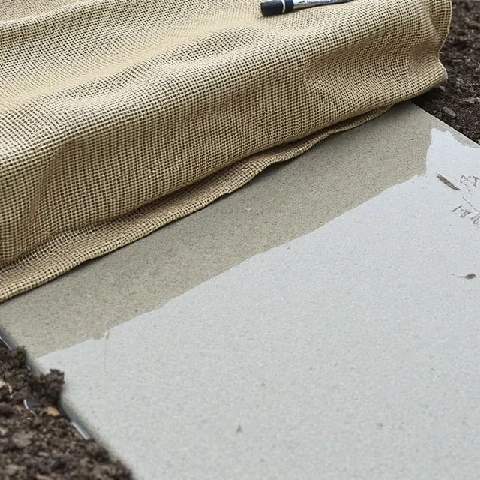
Concrete does not dry. It cures. Curing is the process of maintaining moisture and temperature so that the cement hydrates and the concrete hardens. If concrete dries out too fast, it will not reach its design strength. It will crack, shrink, and dust. Curing is not optional. It is part of the construction. A concrete pour that is not cured properly is a failed pour, even if it looks fine on the surface.
Curing methods vary. Water curing keeps the surface wet with sprinklers, wet burlap, or ponding. Membrane curing seals the surface with a compound that prevents moisture from escaping. Steam curing accelerates the process in a plant. Insulated blankets retain heat in cold weather. The method depends on the climate, the mix, and the project. Curing typically lasts 7 to 14 days, though some mixes require longer. The longer the cure, the stronger the concrete.
Temperature matters. Concrete should not freeze during curing. If it does, the water in the mix expands and damages the structure. Hot weather also causes problems. Concrete sets too fast, and the surface dries before the interior. That causes plastic shrinkage cracks. Curing compounds, fog sprays, and windbreaks help. The goal is to keep the concrete in a stable, moist environment. The strength of the concrete depends on it. The curing process is invisible. Its effects are permanent.
Comments
No comments yet. Be the first to share a thought.
Leave a comment