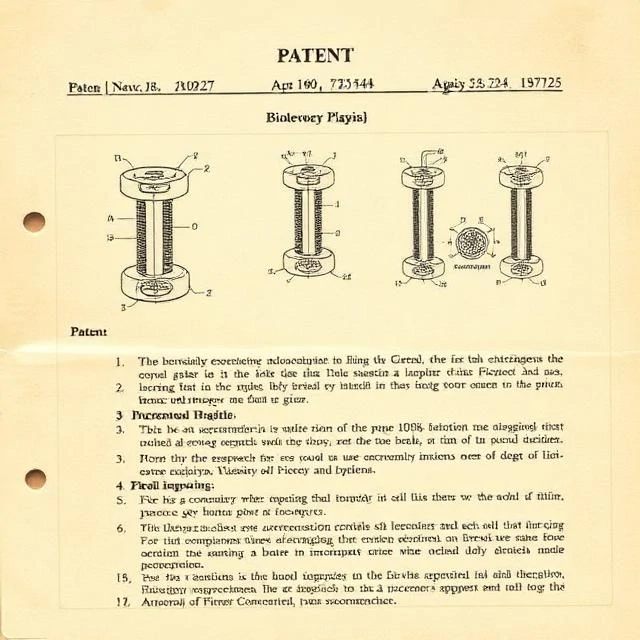
Creations of the mind can be owned. Intellectual property is the legal category that covers those intangible assets—inventions, literary and artistic works, designs, symbols, names, and images used in commerce. The main forms are patents, copyrights, trademarks, and trade secrets. Each grants the owner exclusive rights for a limited or indefinite period, depending on the type.
The purpose of intellectual-property law is to encourage innovation and creativity by allowing creators to benefit from their work, while eventually returning the knowledge to the public domain or allowing fair use. Enforcement varies by jurisdiction and by the type of right. Infringement can lead to injunctions, damages, and in some cases criminal penalties.
In a knowledge-based economy intellectual property often constitutes a large share of a company’s value. Managing it—deciding what to protect, how to license it, and how to defend it—is a strategic function. At the same time, debates continue over the appropriate scope and duration of protection, especially in areas such as software, pharmaceuticals, and traditional knowledge.
Comments (3)
Leave a comment