Witchcraft is the alleged use of supernatural powers to cause harm or influence events. Belief in witchcraft appears in societies around the world, from early modern Europe to contemporary Africa, Melanesia, and Latin America. In many communities, witchcraft explains misfortune that has no obvious cause. A sudden illness, a failed harvest, a string of bad luck: these may be attributed to a hidden enemy. Accusations often target people who are marginal or perceived as envious.
E.E. Evans-Pritchard's study of the Azande in Sudan, published in 1937, remains a classic. He showed that witchcraft beliefs formed a coherent system. The Azande knew that termites could damage a granary. They asked why it collapsed at that particular moment, killing those particular people. Witchcraft answered that question. It did not replace practical knowledge. It supplemented it.
Common patterns
- Witchcraft explains misfortune and sudden death.
- Accusations often target marginal individuals.
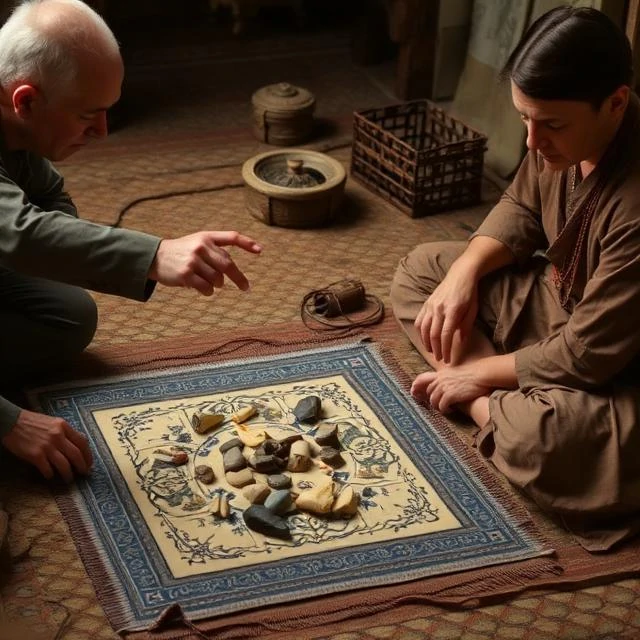
- Divination identifies the alleged witch.
- Confession, compensation, or expulsion follows.
Witchcraft beliefs are not simply superstition. They are a way of making sense of suffering and assigning responsibility.
Comments (3)
Leave a comment