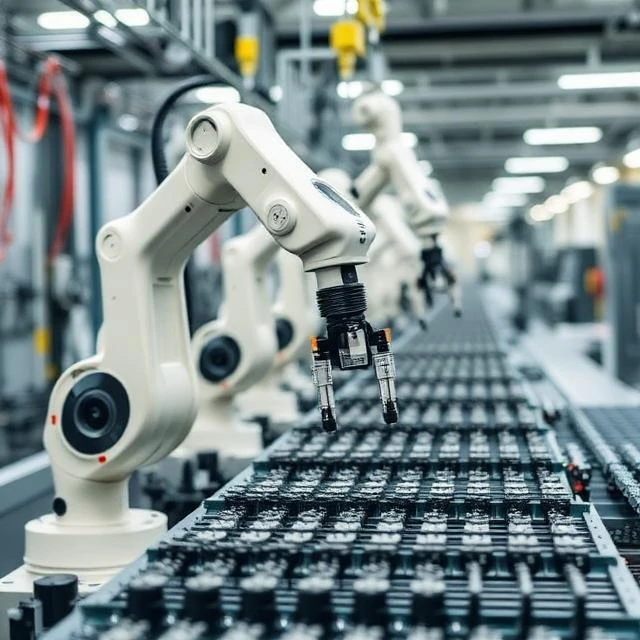
Robots sense, plan, and act. The field brings together mechanical design, control theory, perception, and increasingly machine learning. Industrial arms, warehouse vehicles, surgical systems, and drones all fall under the same umbrella.
Perception turns sensor data into a model of the world. Planning computes a path or sequence of actions. Control executes those actions with feedback. Each layer has its own failure modes, and integration is often the hardest part.
Common robotics domains
- Industrial manipulation
- Mobile robots and navigation
- Humanoid and legged robots
- Medical and surgical robotics
- Agricultural and field robots
- Swarm robotics
Real-world environments are messy. Lighting changes, objects move, and humans behave unpredictably. A robot that works in a lab may fail in a warehouse, which is why deployment remains slower than demonstrations suggest.
Comments
No comments yet. Be the first to share a thought.
Leave a comment