The practice of growing different crops in sequence on the same land.
🔄
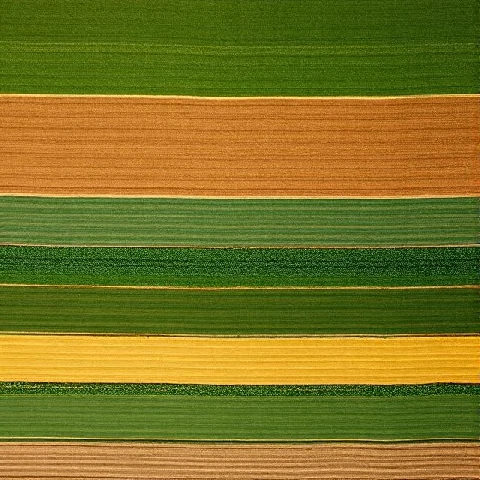
Crop rotation is the practice of growing different crops in sequence on the same land over successive seasons to maintain soil fertility, reduce pests and diseases, and improve yields. The principle is ancient: Roman authors recommended alternating cereals with legumes, and the medieval three-field system rotated winter grain, spring grain, and fallow. The four-field Norfolk rotation of the 18th century—wheat, turnips, barley, clover—was a cornerstone of the British Agricultural Revolution. Rotations interrupt pest and disease life cycles, balance nutrient use, improve soil structure, and reduce reliance on synthetic inputs. Legumes fix nitrogen, deep-rooted crops break up subsoil, and cover crops protect the soil between cash crops. Modern rotations are designed around market demand, climate, and soil type, and may span two to five years. Crop rotation is a central principle of organic farming and conservation agriculture and is often combined with no-till, cover cropping, and integrated pest management for maximum benefit.
Comments
No comments yet. Be the first to share a thought.
Leave a comment