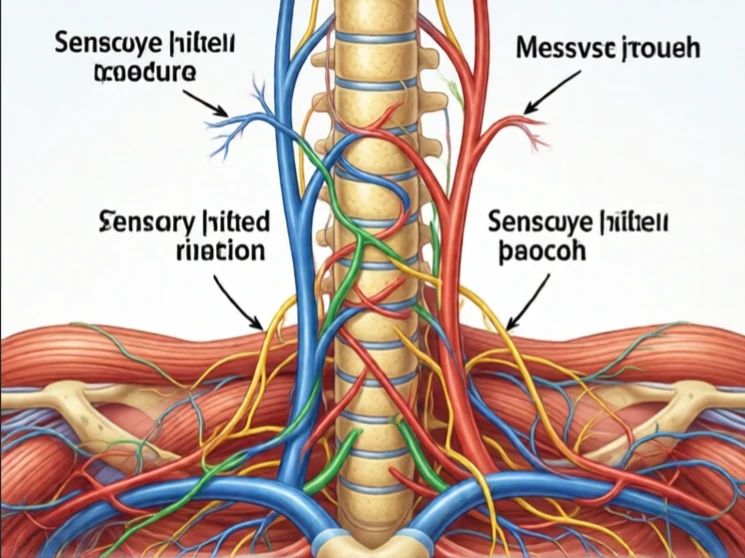
A reflex is an automatic, involuntary response to a stimulus, mediated by a neural pathway called a reflex arc. Reflexes allow the body to react quickly to potentially harmful events without waiting for conscious processing in the brain.
A typical reflex arc includes a sensory receptor, a sensory (afferent) neuron, an integration centre (often the spinal cord), a motor (efferent) neuron, and an effector muscle or gland. The knee-jerk reflex and the withdrawal reflex when touching something hot are classic examples. Reflexes can be innate, such as the rooting and sucking reflexes in infants, or learned through practice.
Components of a reflex arc
- Sensory receptor detects the stimulus
- Afferent neuron carries the signal inward
- Integration centre processes it
- Efferent neuron carries the response outward
- Effector produces the response
Comments
No comments yet. Be the first to share a thought.
Leave a comment