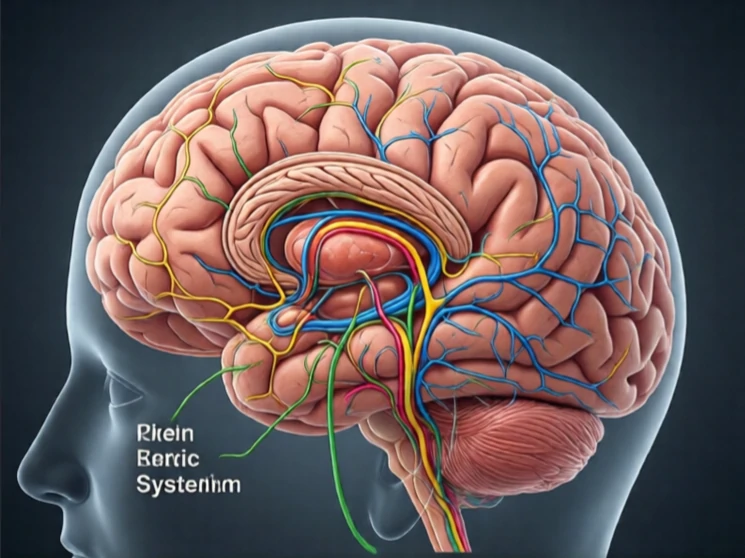
The limbic system is a set of interconnected structures in the brain that play a central role in emotion, motivation, and memory. It includes the amygdala, hippocampus, hypothalamus, and several related cortical and subcortical areas.
The amygdala evaluates the emotional significance of stimuli, especially those related to fear and aggression, and helps form emotional memories. The hippocampus is essential for the formation of new declarative memories and for spatial navigation. The hypothalamus links emotional and motivational states to physiological responses and to the endocrine system. Cingulate cortex and other regions contribute to the subjective experience of emotion and to the regulation of emotional behavior.
The concept of a unified limbic system has been refined over time; the structures are heavily interconnected with the rest of the brain and participate in many functions beyond emotion. Nonetheless, the grouping remains useful for describing the circuitry that gives events their emotional weight and that allows past experience to guide present feeling and action.
When a memory carries an emotional charge or a stimulus triggers a rapid motivational response, the limbic system is deeply involved.
Comments
No comments yet. Be the first to share a thought.
Leave a comment