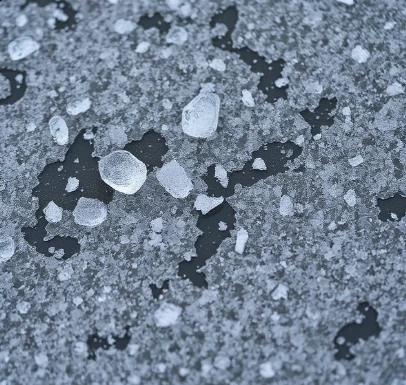
Sleet consists of translucent ice pellets that bounce when they hit the ground. It forms when snowflakes fall through a layer of above-freezing air and melt into raindrops, then refreeze into ice as they pass through a deeper layer of sub-freezing air near the surface.
The ice pellets are usually smaller than hail and lack the layered structure of hailstones. Sleet often makes a distinctive tapping sound on windows and roofs. It can accumulate and create slippery surfaces, though it is generally less hazardous than freezing rain.
Forecasting the exact precipitation type in winter requires accurate knowledge of the temperature profile aloft. Small changes in the depth of the warm layer can switch the precipitation from snow to sleet to freezing rain. Observers note sleet carefully because it provides clues about the vertical temperature structure.
In some regions the term is used differently, so official definitions help avoid confusion.
Comments
No comments yet. Be the first to share a thought.
Leave a comment