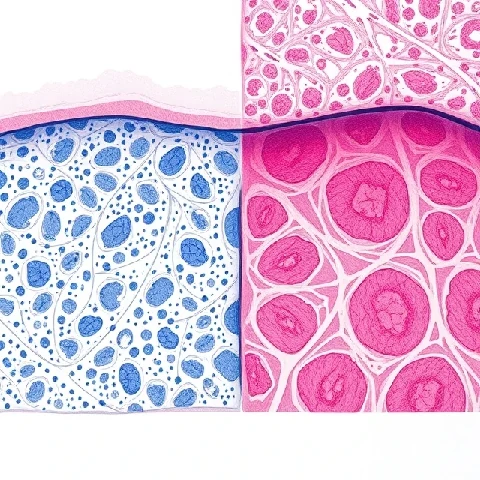
Normal function can be disrupted in countless ways. A disease is a disorder of structure or function in a human, animal, or plant, especially one that produces specific signs or symptoms and is not simply the direct result of physical injury.
Diseases may be infectious, genetic, degenerative, neoplastic, autoimmune, or environmental in origin. They range from brief and self-limited to lifelong and progressive. Pathology studies the mechanisms; clinical medicine focuses on recognition and management in the individual.
Social and economic conditions influence both the appearance of disease and access to care. Public-health measures prevent many diseases at population level, while clinicians treat them one patient at a time. Precise definition of disease entities allows research, coding, and consistent communication.
- Disorder of structure or function producing characteristic effects
- Arises from varied infectious, genetic, and other causes
- Studied by pathology and managed by clinical medicine
- Influenced by biology and by social conditions
Comments
No comments yet. Be the first to share a thought.
Leave a comment