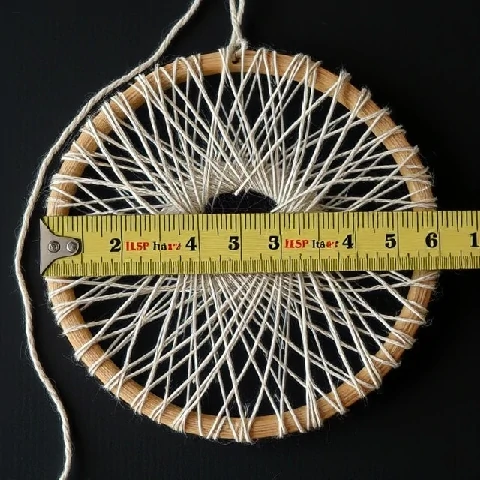
Wrap a string around a can, then measure the string. That length is the circumference. For any circle, the circumference divided by the diameter gives the same number: pi. So circumference equals pi times diameter, or 2πr.
The ancient Greeks knew this ratio. Archimedes approximated pi by inscribing and circumscribing polygons around a circle. Indian and Chinese mathematicians refined the value independently. Today computers calculate pi to trillions of digits, though a few dozen are enough for any practical purpose.
Circumference matters when sizing pipes, belts, gears, and orbits. A bicycle wheel's circumference determines how far the bike travels per revolution. A satellite's orbital circumference relates to its period. The concept is simple, but its applications range from workshop measurements to spaceflight calculations.
- Distance around a circle
- Equals π × diameter or 2πr
- Ratio to diameter is pi
- Used in sizing wheels, pipes, and orbits
Comments
No comments yet. Be the first to share a thought.
Leave a comment