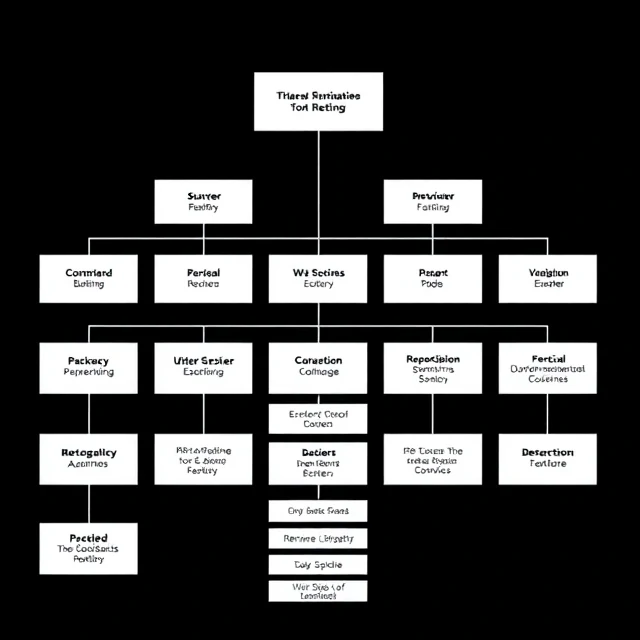
Orders travel along predictable paths in most organizations. The chain of command is the formal line of authority that runs from the top of the hierarchy down to the front line, defining who reports to whom and who may issue directives to whom.
It clarifies accountability and prevents conflicting instructions. Each person ordinarily receives direction from one superior, a principle known as unity of command. Skipping levels or issuing orders outside the chain creates confusion and undermines managers in the middle.
Modern organizations sometimes flatten or matrix the structure, yet some form of chain remains necessary for routine decisions and crisis response. Clarity about the chain does not eliminate the need for lateral communication; it simply keeps authority relationships unambiguous.
- Formal line of authority from top to bottom
- Defines reporting and directive relationships
- Supports unity of command
- Remains relevant even in flatter structures
Comments
No comments yet. Be the first to share a thought.
Leave a comment