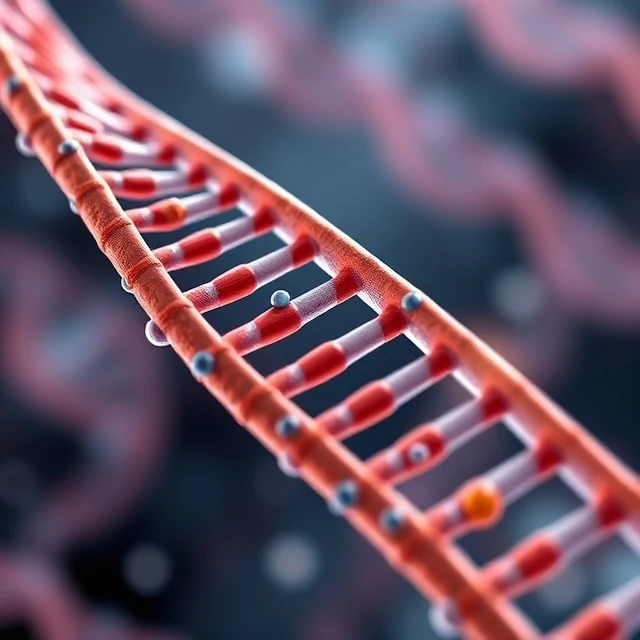
Chemical tags can silence genes without changing the underlying sequence. DNA methylation is the addition of a methyl group, usually to cytosine bases in CpG dinucleotides. Heavy methylation in promoter regions typically represses transcription.
The pattern of methylation is established during development and can be maintained through cell divisions by methyltransferase enzymes. Environmental factors, age, and disease states alter methylation profiles. Abnormal methylation contributes to cancer by silencing tumor-suppressor genes or activating oncogenes.
Researchers map methylation with bisulfite sequencing and array-based methods. In mammals, methylation is essential for X-chromosome inactivation and genomic imprinting. Demethylating drugs are used in certain cancer therapies to reactivate silenced genes. The mark is reversible, linking environment to long-term gene regulation.
- Addition of methyl groups to DNA
- Usually occurs at CpG sites
- Often represses gene expression
- Heritable through cell division
Comments
No comments yet. Be the first to share a thought.
Leave a comment