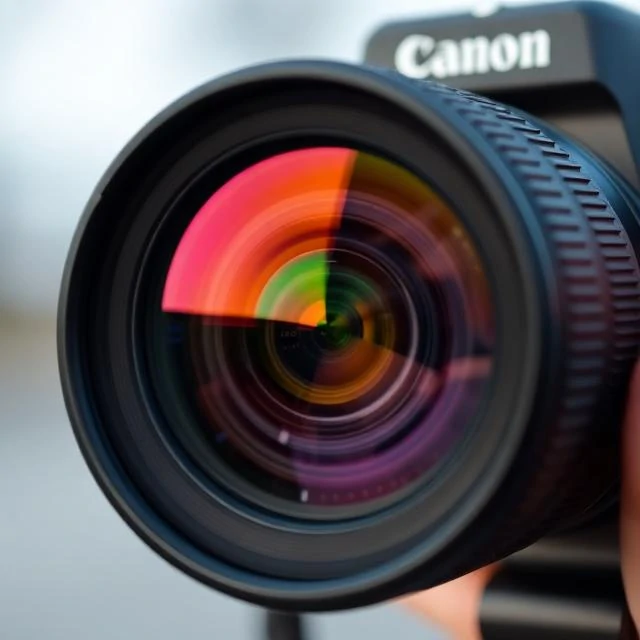
A zoom changes the focal length of the lens to magnify or reduce the image. The camera does not move. The lens does. A zoom in makes the subject appear larger, tightening the frame. A zoom out makes the subject appear smaller, widening the frame. The zoom is a simple technique with a complex effect. It can be subtle or aggressive. It can be functional or expressive. It can be beautiful or cheap. The choice depends on the context and the intention.
The zoom is not the same as a dolly. A dolly moves the camera through space, changing the perspective and the relationship between the subject and the background. A zoom changes the magnification without changing the perspective. The background does not shift. The depth does not change. That difference matters. A dolly in creates a sense of moving toward the subject. A zoom in creates a sense of the subject getting closer. The dolly is more immersive. The zoom is more analytical.
The zoom is often used in documentaries, news, and sports, where the camera cannot move closer. It is used in fiction to create emphasis, tension, or comedy. A slow zoom in on a character's face can reveal a growing realization. A fast zoom in can create shock. A zoom out can reveal context. The zoom is a tool. It is not inherently good or bad. It is how it is used that matters. A zoom that draws attention to itself can pull the audience out of the film. A zoom that serves the story can be invisible.
Comments
No comments yet. Be the first to share a thought.
Leave a comment