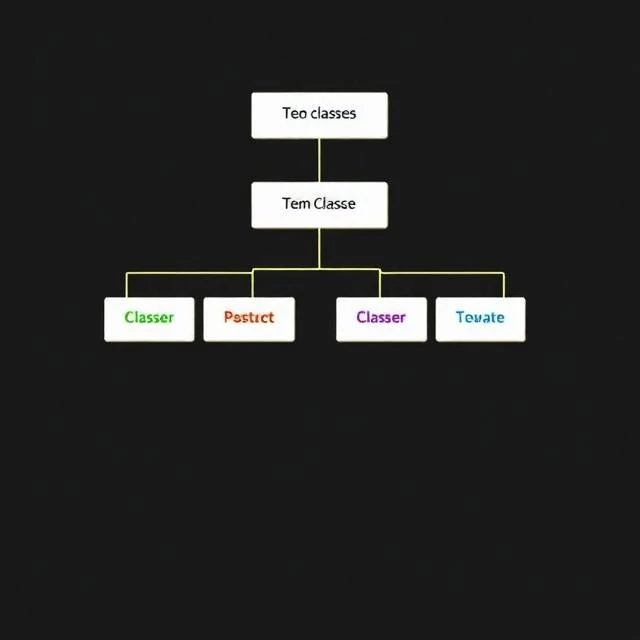
Before a system can reason about a domain, it needs a shared vocabulary. An ontology specifies the concepts in a domain, the relationships between them, and the rules that constrain how they combine. It is a formal blueprint for meaning.
Ontologies differ from taxonomies. A taxonomy sorts things into categories. An ontology adds properties, relationships, and logical axioms. In the Gene Ontology, for example, genes are linked to molecular functions, biological processes, and cellular components through defined relations.
Common ontology components
- Classes representing concepts
- Properties describing attributes
- Relations connecting entities
- Axioms constraining interpretation
- Instances populating the model
Building one takes years and expert collaboration. Once built, ontologies support data integration, semantic search, and automated reasoning. They are the backbone of biomedical informatics and increasingly of enterprise knowledge systems.
Comments
No comments yet. Be the first to share a thought.
Leave a comment