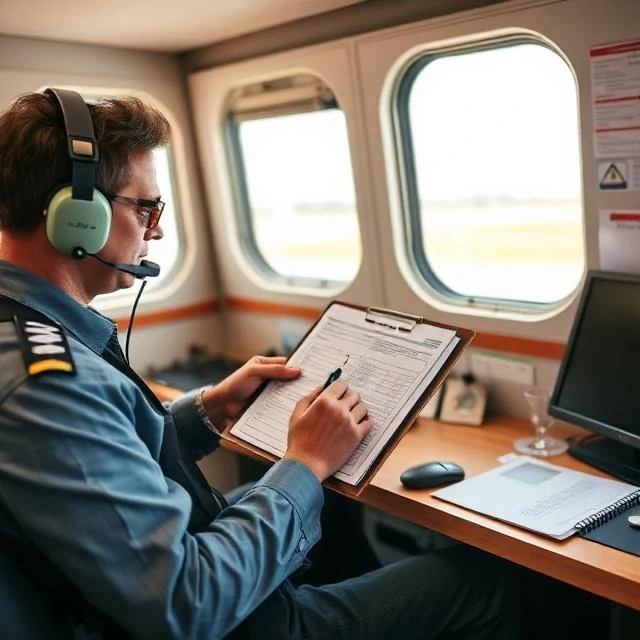
Before an aircraft departs, someone files paperwork. The flight plan tells air traffic control where the aircraft intends to go, how high, how fast, and what route it will follow. Without one, controlled airspace access is usually denied.
Plans cover more than routing. They include fuel endurance, alternate airports, number of people on board, and emergency contact details. Search and rescue teams use the plan if the aircraft goes missing.
Typical flight plan contents
- Aircraft identification and type
- Departure, destination, and alternates
- Route and cruising altitude
- Estimated time en route and fuel
- Persons on board
Modern systems file electronically and update in real time. Controllers can amend a plan mid-flight when weather or traffic requires a different route. Pilots then confirm the change on the radio.
Comments (2)
Leave a comment