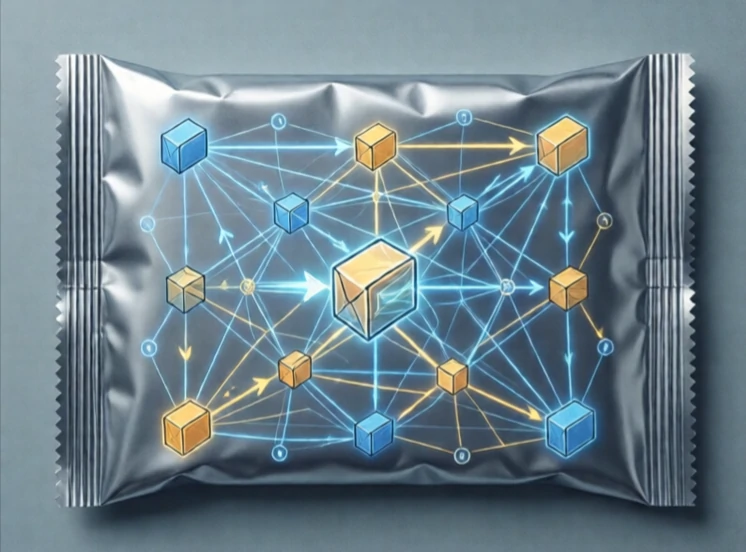
A packet is a unit of data transmitted over a network. It contains a header and a payload. The header has source and destination addresses, sequence numbers, and error-checking information. The payload is the actual data. Packets are the fundamental unit of packet-switched networks.
When you send a file, it is split into packets. Each packet travels independently. They may take different paths. They may arrive out of order. The receiver reassembles them into the original file. TCP handles the reassembly and retransmits lost packets. IP handles the routing.
Packet structure
- Header: addresses, sequence, flags
- Payload: the data being sent
- Trailer: error checking, like CRC
- Size: typically 1,500 bytes for Ethernet
Packet switching is efficient. It shares network resources. It handles bursty traffic well. It is resilient. If one path fails, packets can route around it. The packet is the atom of the internet. Everything is packets.
Comments
No comments yet. Be the first to share a thought.
Leave a comment