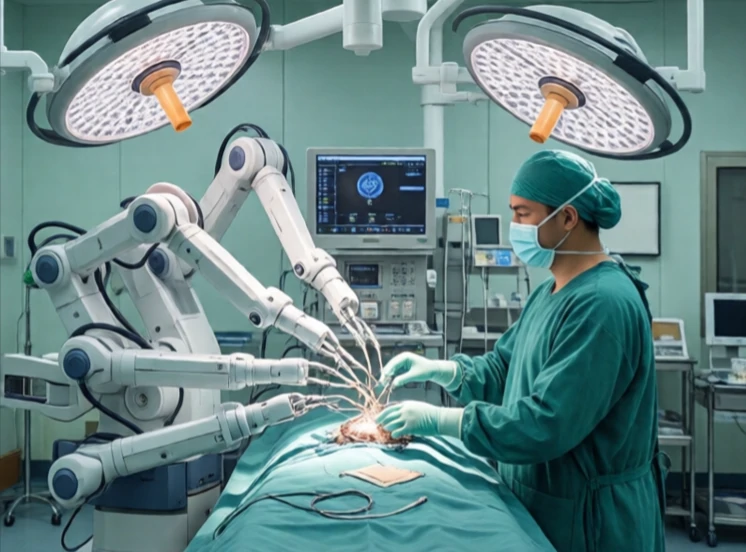
Robotics is the design, construction, and operation of intelligent machines. Robots sense their environment, process information, and act. They weld cars, assemble electronics, explore Mars, and vacuum floors. They also perform surgery and defuse bombs. The field combines mechanical engineering, electronics, and computer science.
Industrial robots dominate. They are fast, precise, and tireless. They work in cages for safety. Collaborative robots, or cobots, work alongside humans. They have sensors that stop motion when a person gets close. Service robots handle logistics, cleaning, and delivery. Humanoid robots remain rare and expensive.
Key components
- Sensors: cameras, lidar, force sensors
- Actuators: motors and joints
- Controller: the robot's brain
- End effector: gripper, welder, tool
- Power: battery or tethered
Robots do not replace all human work. They replace specific tasks. A robot can weld a car door. It cannot negotiate a crowded hospital hallway with a patient. The boundary between what robots can and cannot do keeps shifting.
Comments
No comments yet. Be the first to share a thought.
Leave a comment