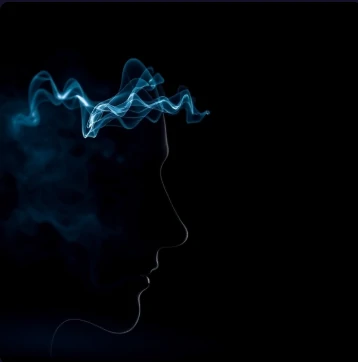
Mental activity that influences experience and behavior without entering full awareness is often described as subconscious. The term is used more loosely than the psychoanalytic unconscious and typically refers to processes just below the threshold of attention.
Examples include automatic skills, implicit biases, priming effects, and the sudden appearance of a solution after a period of incubation. Subconscious processes handle routine aspects of perception, action, and evaluation, freeing limited conscious capacity for novel demands. They can be inferred from indirect measures such as reaction times, physiological responses, and performance on implicit tasks.
The boundary between conscious and subconscious is permeable; training can make controlled processes automatic, and attention can bring some automatic processes into awareness. Popular usage sometimes attributes more mysterious powers to the subconscious than evidence supports. Scientifically, it remains a useful label for the large set of mental operations that run outside the spotlight of attention.
- Mental activity outside full awareness
- Influences behavior and experience
- Includes skills, priming, and implicit evaluation
- Inferred from indirect behavioral measures
Comments
No comments yet. Be the first to share a thought.
Leave a comment