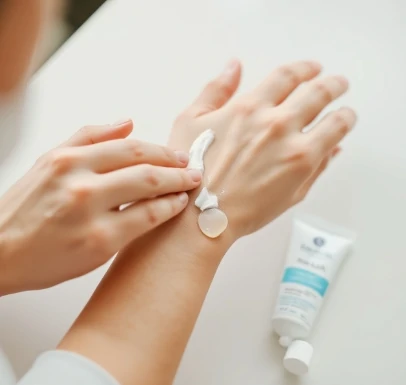
A topical medication is applied directly to the skin or mucous membranes. The drug acts where it is applied, which limits systemic absorption and reduces side effects elsewhere in the body. Creams, ointments, gels, lotions, foams, and patches are all topical forms. They are used for skin conditions, muscle pain, eye infections, and nasal congestion, among many other things.
The vehicle matters as much as the drug. An ointment is greasy and occlusive, trapping moisture and enhancing absorption. A cream is a mixture of oil and water, lighter and easier to spread. A gel is water-based and dries quickly. A lotion is thin and spreadable. The choice depends on the condition and the site. Ointments work well on dry, scaly skin. Creams are better for weeping or hairy areas. Lotions are useful for large areas. Absorption also depends on skin thickness, blood flow, and whether the skin is intact or damaged.
Common topical uses:
- Dermatology. Eczema, psoriasis, acne, fungal infections.
- Pain relief. NSAID gels for muscle and joint pain.
- Ophthalmology. Eye drops and ointments for infections and inflammation.
- Nasal. Sprays and ointments for congestion and allergies.
Topical drugs can still cause systemic effects if enough is absorbed, especially on damaged skin or in children. Use as directed.
Comments
No comments yet. Be the first to share a thought.
Leave a comment