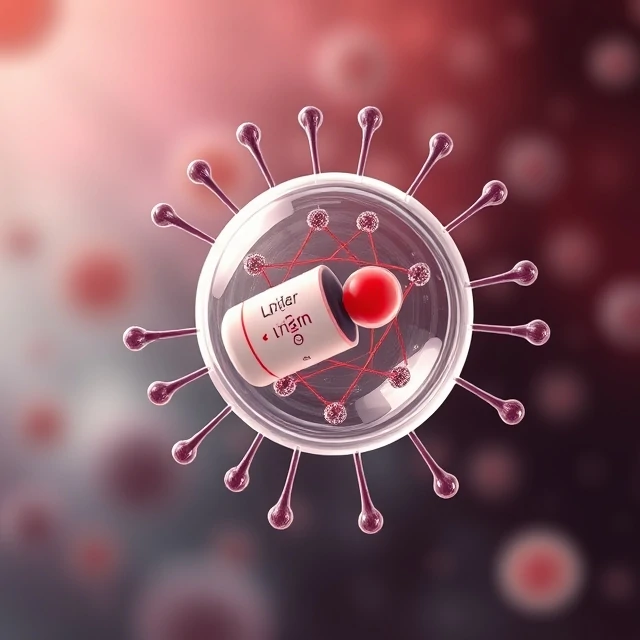
Nanomedicine applies nanotechnology to medicine, usually at scales between 1 and 100 nanometers. At that size, materials behave differently. They have more surface area, can cross biological barriers, and can be engineered to carry drugs, imaging agents, or genetic material. The field is still young, but several nanomedicines are already in clinical use.
The most successful example is the liposome, a tiny bubble of lipid that can encapsulate a drug and protect it from degradation. Doxil, a liposomal formulation of doxorubicin, reduces the heart toxicity of the free drug. Other nanoparticles use polymers, metals, or proteins as carriers. They can be coated with targeting molecules that bind to specific cells, allowing drugs to accumulate in tumors or inflamed tissue. Gold nanoparticles and iron oxide nanoparticles are used in imaging and thermal therapy. mRNA vaccines against COVID-19 use lipid nanoparticles to deliver genetic material into cells.
What nanomedicine offers:
- Targeted delivery. Drugs can be directed to specific tissues.
- Improved solubility. Nanoparticles can carry poorly soluble drugs.
- Controlled release. Drug can be released over hours, days, or weeks.
- Imaging and therapy. Some nanoparticles can do both at once.
Challenges remain, including manufacturing at scale, long-term safety, and regulatory pathways that were not designed for nanoscale products.
Comments
No comments yet. Be the first to share a thought.
Leave a comment