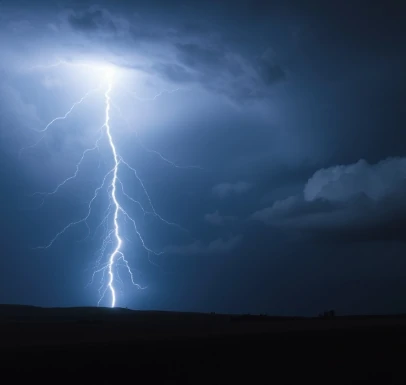
Inside a thunderstorm, collisions among ice particles and water droplets separate electrical charges. When the difference becomes large enough, a rapid discharge occurs. That discharge is lightning. It can travel within the cloud, from cloud to cloud, or from cloud to ground.
The visible flash is the return stroke that heats the air to temperatures hotter than the surface of the sun. The rapid expansion of the heated air produces the sound wave we hear as thunder. A single flash can consist of multiple strokes along the same path.
Lightning is a major cause of wildfires, power outages, and outdoor fatalities. Safety guidance emphasizes seeking substantial shelter and avoiding open fields or tall isolated objects. Detection networks map lightning strikes in near real time, aiding both warnings and research.
The same charge-separation process operates in volcanic ash clouds and intense wildfire plumes.
Comments
No comments yet. Be the first to share a thought.
Leave a comment