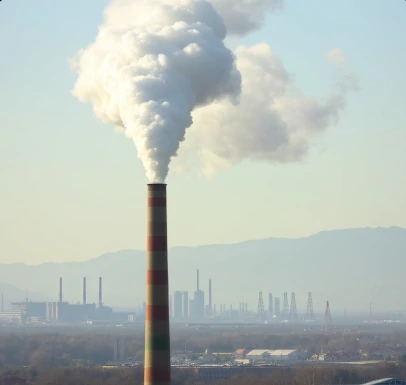
Carbon dioxide is a colorless gas that makes up a tiny fraction of the atmosphere yet exerts outsized influence on climate. Plants absorb it during photosynthesis; animals and humans release it through respiration. Burning coal, oil, and natural gas adds large additional amounts.
As a greenhouse gas, carbon dioxide absorbs infrared radiation leaving Earth’s surface and re-emits some of it downward. The result is a warmer lower atmosphere. Concentrations have risen from about 280 parts per million before the industrial era to more than 420 today.
Ice cores and direct measurements track the increase. The gas mixes globally, so emissions anywhere affect the whole planet. Oceans absorb a significant share, which lowers their pH and stresses marine life.
Reducing emissions remains a central focus of climate policy worldwide.
Comments
No comments yet. Be the first to share a thought.
Leave a comment