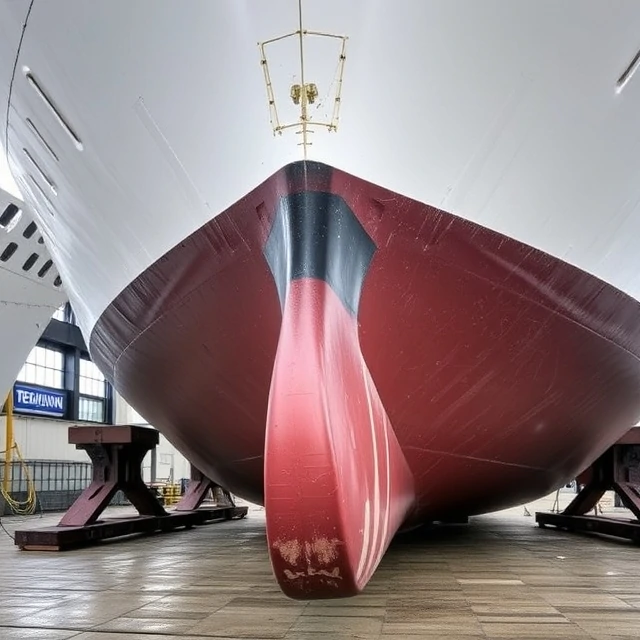
Steering depends on a movable surface in the water flow. A rudder is a hinged vertical plate or structure mounted at the stern, which deflects water when angled and thereby creates a turning force on the ship.
Rudder angle is controlled from the bridge via steering gear. Size and shape of the rudder affect turning performance and course-keeping. Twin rudders, flap rudders, and azimuthing thrusters offer alternatives or supplements for high maneuverability.
Rudder failure is a serious emergency; ships carry backup steering systems. In shallow water and at low speed, rudder effectiveness drops. Pilots and masters plan maneuvers with the ship’s known turning characteristics and rudder response in mind.
- Hinged surface used to steer the ship
- Deflects water flow to create turning moment
- Controlled by steering gear from the bridge
- Critical to maneuverability and course-keeping
Comments
No comments yet. Be the first to share a thought.
Leave a comment