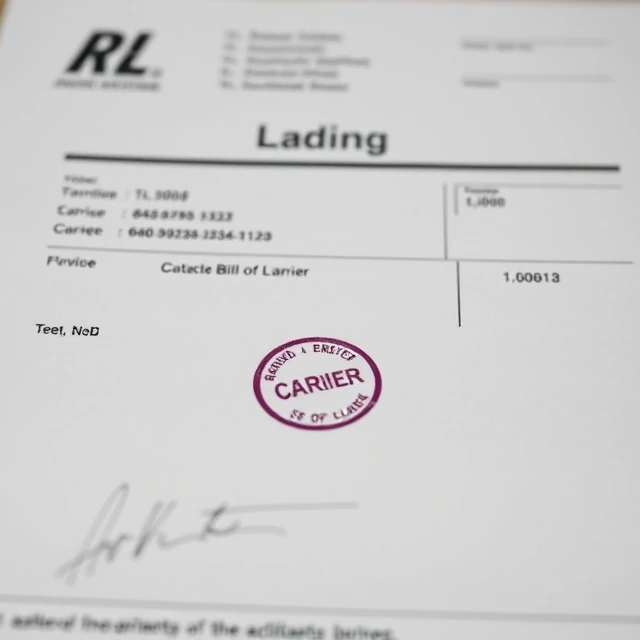
Cargo does not move on trust alone. A bill of lading is a document issued by a carrier to a shipper that serves as receipt for the goods, evidence of the contract of carriage, and, in negotiable form, a document of title.
It records the apparent order and condition of the cargo, the quantity, and the destination. Banks often require an original bill of lading before releasing payment under a letter of credit. Electronic bills of lading are gaining legal recognition, yet paper originals still dominate many trades.
Discrepancies between the bill and the actual cargo create claims. Claused bills note damage or shortage; clean bills do not. Masters and agents must take care when signing, because the carrier’s liability is heavily influenced by what the bill states.
- Carrier’s document acting as receipt, contract, and sometimes title
- Details goods, condition, and destination
- Critical for payment and transfer of ownership
- May be paper or electronic
Comments
No comments yet. Be the first to share a thought.
Leave a comment