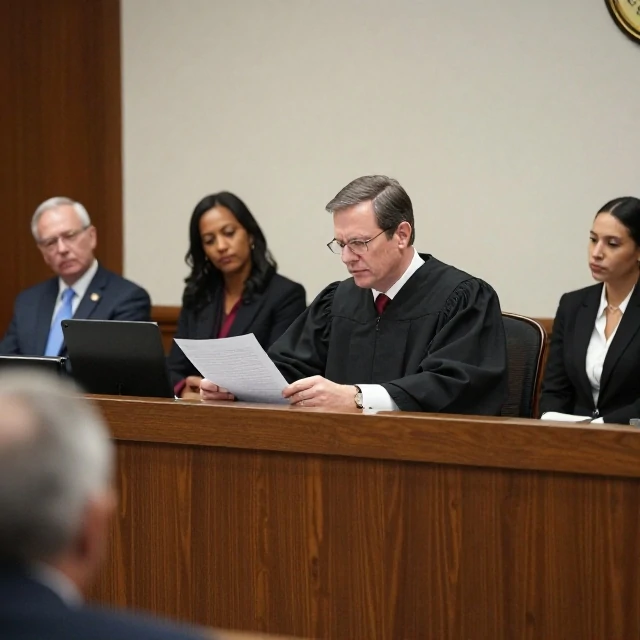
A majority opinion is the official decision of a court, written by one judge and joined by more than half of the panel. It explains the legal reasoning and announces the outcome. That opinion becomes binding precedent in the jurisdiction.
Appellate courts often decide cases in panels of three. The Supreme Court uses nine justices. When the majority agrees on the result but not the reasoning, it can produce a fractured opinion. That is why the vote count matters: a 5-4 decision is law, but a 9-0 decision carries more weight and is harder to overturn later.
Parts of a majority opinion
- Caption and procedural history.
- Statement of facts.
- Legal issues presented.
- Analysis and reasoning.
- Holding and disposition.
The majority opinion is the main event in appellate law. Lawyers read it to understand what the court will do in future cases. Lower courts must follow it. Legislatures may respond by amending statutes. Scholars critique it for decades. A single majority opinion can reshape an entire area of law, from civil rights to environmental regulation. That is why the identity of the author and the exact wording matter so much.
Comments
No comments yet. Be the first to share a thought.
Leave a comment