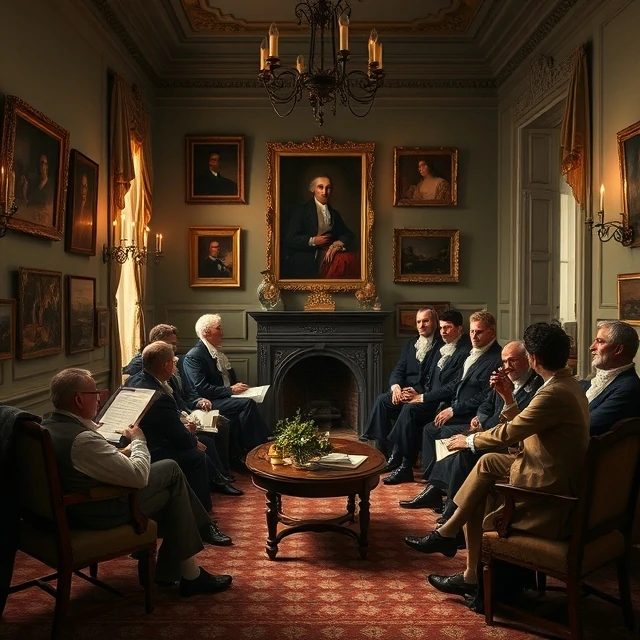
In the eighteenth century a network of writers and readers championed reason, empirical inquiry, and reform. The Enlightenment was an intellectual and cultural movement centered in Europe that questioned traditional authority in religion, politics, and knowledge.
Figures such as Voltaire, Rousseau, Kant, and many less-famous participants debated natural rights, the scientific method, religious tolerance, and the organization of society. Salons, academies, and print culture spread ideas across borders. Not all Enlightenment thought was uniform; sharp disagreements existed over the pace and direction of change.
Enlightenment arguments influenced revolutions in America and France and later reforms elsewhere. Critics then and since have noted the movement’s limits regarding gender, race, and the non-European world. Its legacy includes both the ideal of critical public reason and ongoing disputes about the scope of that ideal.
- 18th-century movement emphasizing reason and reform
- Questioned traditional religious and political authority
- Spread through print, salons, and academies
- Influenced revolutions and later political thought
Comments (2)
Leave a comment