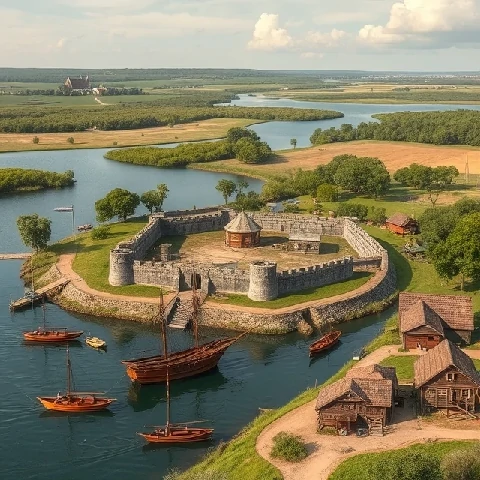
Ships arrived, flags were planted, and permanent settlements followed. Colonization is the process of establishing control over a new territory through settlement, administration, and the displacement or subordination of existing populations.
It differs from mere exploration or temporary trading posts by its aim of lasting occupation. Demographic change, land appropriation, and the imposition of new legal and property systems typically accompany it. Both the colonizing power and the colonized societies were transformed.
Historians examine the motives of settlers and states, the ecological exchanges that followed contact, and the varied responses of indigenous peoples. Colonization produced new hybrid cultures even as it destroyed or marginalized others. Its consequences continue to structure debates over land, identity, and justice.
- Establishment of lasting settlements in new territory
- Involves demographic and political transformation
- Displaces or subordinates existing populations
- Creates enduring social and cultural legacies
Comments
No comments yet. Be the first to share a thought.
Leave a comment