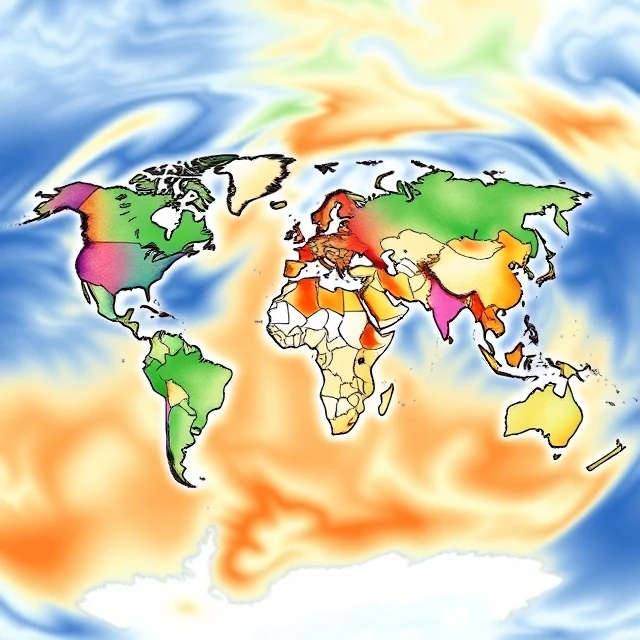
Temperature and rainfall do not vary randomly across the globe. Climate zones are broad regions that share similar patterns of temperature, precipitation, and seasonality. The familiar categories—tropical, dry, temperate, continental, and polar—help organize this variation.
Latitude is the strongest control, but ocean currents, elevation, and continental position modify the basic pattern. Mountain ranges create rain shadows; prevailing winds carry moisture or dryness. Climate classification systems such as Köppen translate weather station data into mappable zones.
These zones guide agriculture, architecture, and energy use. As greenhouse gas concentrations rise, the boundaries of climate zones are shifting poleward and upslope. Tracking those shifts is a practical task for planners and conservationists alike.
- Region with shared temperature and precipitation patterns
- Influenced by latitude, elevation, and oceans
- Classified into tropical, dry, temperate, polar types
- Boundaries are moving with climate change
Comments
No comments yet. Be the first to share a thought.
Leave a comment