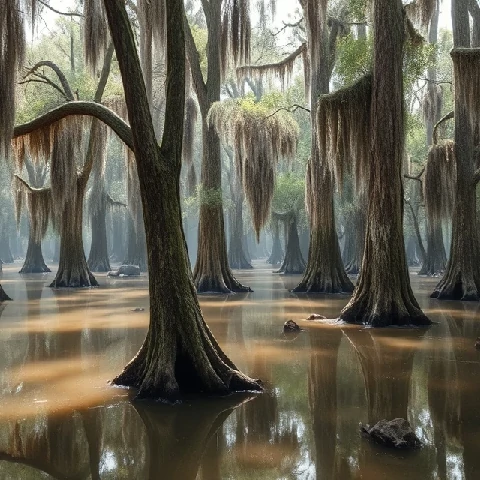
A wetland is an area saturated with water, either permanently or seasonally. Marshes, swamps, bogs, and fens all qualify. The water may be fresh, brackish, or salty. The common thread is that water shapes the soil and the plants. Wetland species have adapted to live in saturated conditions.
Wetlands are among the most productive ecosystems on Earth. They support fish, birds, amphibians, and insects. They filter pollutants from water, trapping sediment and absorbing nutrients. They store carbon in waterlogged soils, sometimes for thousands of years. They buffer coastlines against storms and floods. These services are worth billions of dollars.
Wetlands have been drained and filled for centuries. Over half of the world's wetlands have disappeared since 1900. Agriculture, urban development, and mosquito control drove the losses. The Ramsar Convention, signed in 1971, protects important wetlands worldwide. Restoration projects are bringing some back. A restored wetland can filter water, provide habitat, and store carbon. The benefits return quickly when the water does.
Common types
- Marshes
- Swamps
- Bogs
- Fens
- Mangroves and tidal flats
Comments
No comments yet. Be the first to share a thought.
Leave a comment