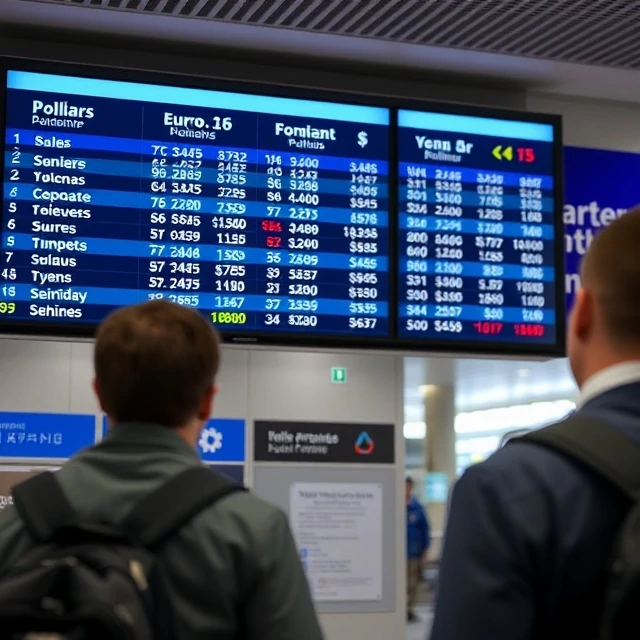
An exchange rate is the price of one currency in terms of another. It tells you how many dollars, euros, or yen you need to buy a unit of foreign money. Rates fluctuate constantly on global markets, driven by trade flows, interest rates, and investor sentiment.
Rates matter for almost everything. A strong dollar makes imports cheaper for Americans but makes US exports more expensive abroad. A weak currency does the opposite. Tourists feel the difference immediately. Businesses plan around it. Governments sometimes intervene to stabilize their currency.
There are two main systems. Fixed exchange rates peg a currency to another or to a commodity like gold. Floating rates let markets set the price. Most major currencies float, though central banks may step in during extreme volatility. Pegged currencies can collapse if the peg becomes unsustainable.
Key concepts
- Appreciation: currency gains value
- Depreciation: currency loses value
- Fixed vs. floating regimes
- Purchasing power parity
- Currency reserves
Comments
No comments yet. Be the first to share a thought.
Leave a comment