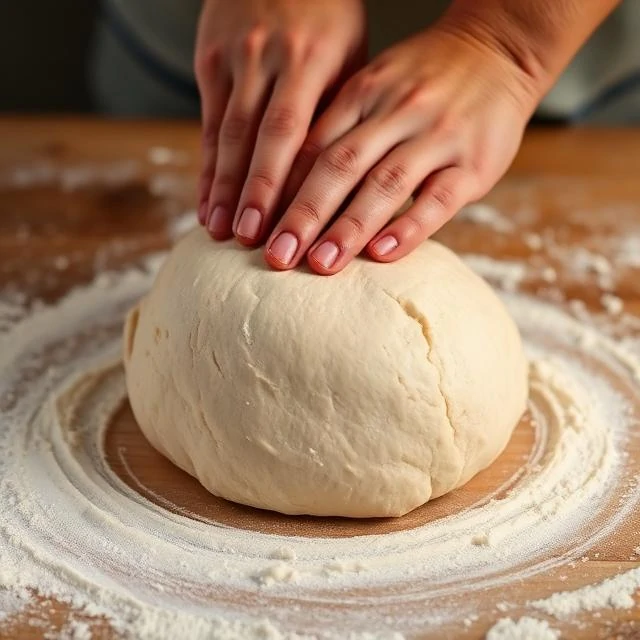
Dough is a thick mixture of flour and liquid used to make bread and pastries. It is pliable and shapable, unlike batter, which is pourable. The ratio of flour to liquid determines the consistency. A stiff dough makes a bagel. A soft dough makes a brioche. A wet dough makes a ciabatta. The dough is the base. The rest is technique. The dough is kneaded, rested, shaped, and baked. The result is bread, pizza, pie, or pasta.
Dough is made from flour, water, yeast, salt, and sometimes fat, sugar, and eggs. The flour provides structure. The water hydrates the flour and activates the gluten. The yeast ferments the sugars and produces carbon dioxide, which makes the dough rise. The salt adds flavor and strengthens the gluten. The fat adds richness and tenderness. The eggs add structure and color. The proportions determine the type of dough. A lean dough has no fat or sugar. A rich dough has both. The dough is the sum of its ingredients.
Dough requires time. The gluten must develop. The yeast must ferment. The dough must rest. The cook must wait. The waiting is the work. The dough is not a quick food. It is a slow food. It is a craft. The baker who makes dough makes bread. The bread is the reward. The dough is the beginning. The dough is the foundation. The dough is the dough. The baker is the baker. The bread is the bread. The meal is the meal. The dough is the start.
Comments
No comments yet. Be the first to share a thought.
Leave a comment