In 1972, Paul Berg and his colleagues at Stanford combined DNA from a monkey virus with DNA from a bacterium. It was the first recombinant DNA molecule. The achievement launched the era of genetic engineering. In 1973, Stanley Cohen and Herbert Boyer inserted a recombinant plasmid into E. coli and showed that it replicated. The tools of molecular biology were in place.
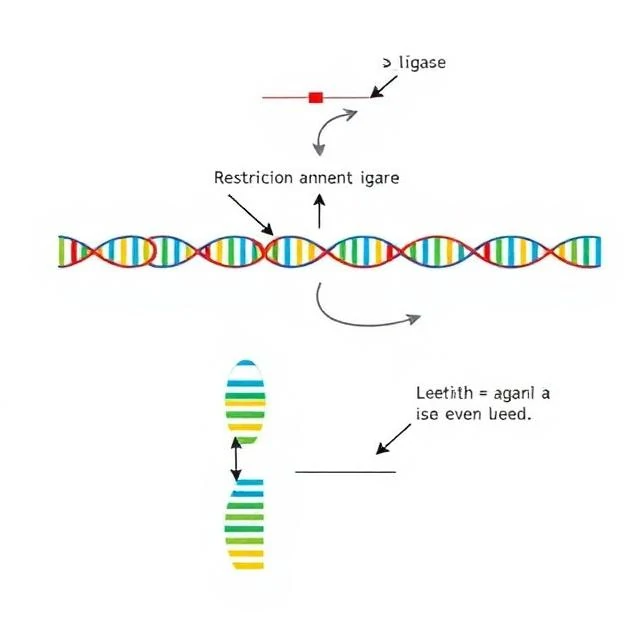
Recombinant DNA is formed by joining DNA from different sources. Restriction enzymes cut the DNA at specific sequences. Ligase joins the fragments together. The resulting molecule can be inserted into a host cell, where it replicates and expresses the genes it carries. The technique is the foundation of gene cloning, protein production, and gene therapy.
Recombinant DNA has transformed medicine and agriculture. Human insulin, produced by recombinant bacteria, replaced insulin extracted from pig and cow pancreases. Growth hormone, clotting factors, and vaccines are produced the same way. Genetically modified crops carry recombinant genes for pest resistance and herbicide tolerance. Gene therapies deliver recombinant DNA or RNA to correct genetic defects.
The technology raised concerns from the start. The Asilomar conference in 1975 established guidelines for safe handling of recombinant organisms. Those guidelines evolved into the biosafety regulations that govern labs today. The science advanced because the safety questions were taken seriously.
Comments
No comments yet. Be the first to share a thought.
Leave a comment