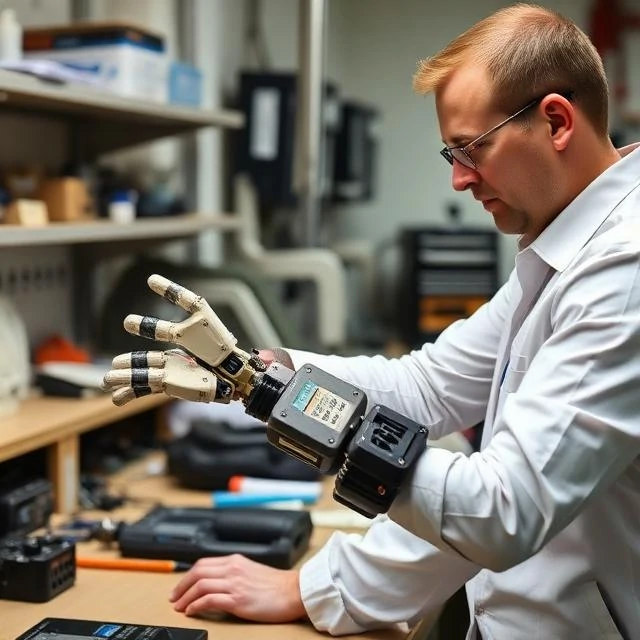
Biomedical engineering applies engineering to medicine and healthcare. It designs the machines that keep patients alive, the implants that restore function, and the tools that diagnose disease. It is a broad field, spanning mechanical, electrical, chemical, and materials engineering, all applied to biological problems. The human body is the system to be understood and improved.
The applications are everywhere. MRI machines, pacemakers, dialysis equipment, and ventilators come from biomedical engineering. So do artificial heart valves, cochlear implants, and prosthetic limbs. Tissue engineers grow skin for burn patients and cartilage for joint repair. Neural engineers build brain-computer interfaces that let paralyzed patients control robotic arms. The field moves from the bench to the bedside.
Designing for the body is hard. Biological systems are complex, variable, and unforgiving. A device that works in a lab may fail in a patient. Testing takes years. Regulation is strict. The FDA classifies devices by risk, and the highest-risk devices require clinical trials. The path from concept to approval is long and expensive.
Biomedical engineers work in hospitals, universities, and companies. They collaborate with physicians, biologists, and patients. The best solutions come from understanding the clinical problem deeply, not just the technology.
Comments
No comments yet. Be the first to share a thought.
Leave a comment