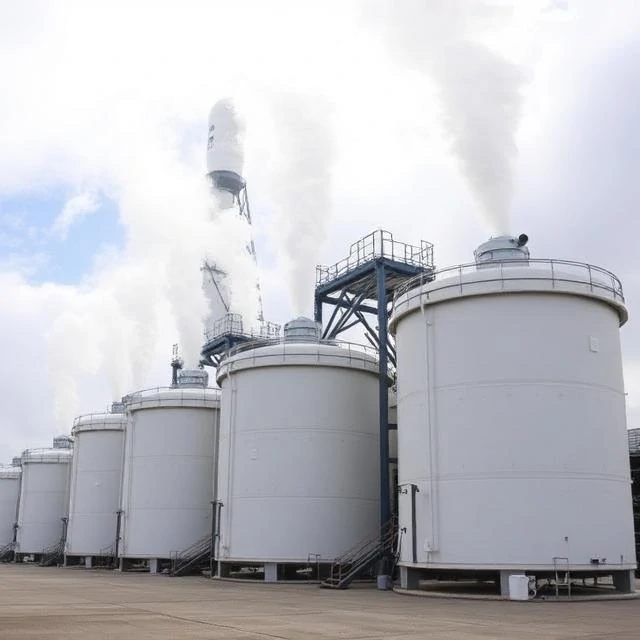
A rocket engine needs two things to burn: fuel and oxidizer. Together they are called propellant. Fuel provides the energy, oxidizer provides the oxygen, and since rockets must work in vacuum, they carry both.
Choices matter enormously. Kerosene and liquid oxygen power many launchers, offering good density and handling. Liquid hydrogen and liquid oxygen deliver the highest efficiency but require cryogenic tanks. Solid propellants are simple and storable but cannot be throttled or shut down.
Common propellant combinations
- RP-1 kerosene with liquid oxygen
- Liquid hydrogen with liquid oxygen
- Monomethylhydrazine with nitrogen tetroxide
- Ammonium perchlorate composite for solids
Storage and handling drive design. Cryogenic propellants boil off over time, limiting how long a vehicle can sit on the pad. Hypergolic propellants ignite on contact and are toxic, which requires careful ground handling.
Comments
No comments yet. Be the first to share a thought.
Leave a comment