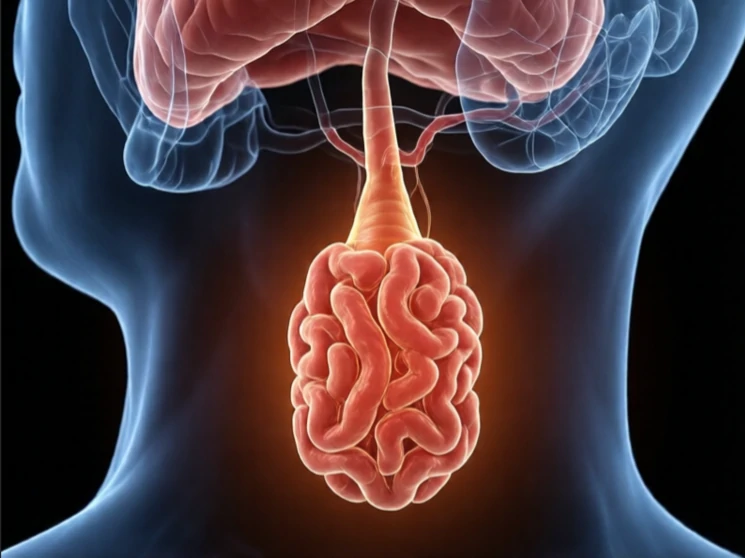
The pituitary gland is a small endocrine structure at the base of the brain that regulates many other glands. It is often called the master gland because of its wide-ranging control.
The anterior pituitary releases hormones that stimulate the thyroid, adrenal cortex, gonads, and growth processes. The posterior pituitary releases oxytocin and vasopressin, which are produced in the hypothalamus and transported along axons into the pituitary. The hypothalamus controls the anterior pituitary through releasing and inhibiting hormones carried in the portal blood supply.
Disorders of the pituitary can produce excess or deficiency of growth hormone, disruptions of reproductive cycles, and secondary failure of other endocrine glands. Because of its central position, the pituitary is also vulnerable to tumors that may affect both hormone output and nearby neural structures such as the optic chiasm.
Many of the body’s long-term regulatory adjustments are coordinated through the hormones of the pituitary.
Comments
No comments yet. Be the first to share a thought.
Leave a comment