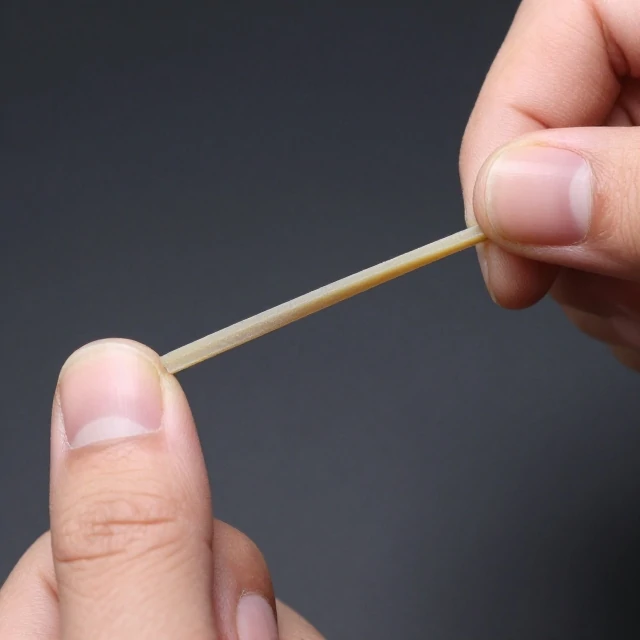
Elastic energy is potential energy stored in an object when it is stretched or compressed. Pull a rubber band and it stores energy. Release it and the energy converts to kinetic energy. The band flies across the room. A bow stores elastic energy in its limbs. A spring stores it when compressed.
The energy comes from the deformation of bonds between atoms. Stretch a material and the atoms move apart. The bonds resist. The energy is stored in that resistance. Release the stretch and the atoms return to their original positions, releasing the energy. The process is reversible if the material is elastic. If it is stretched too far, it deforms permanently and the energy is lost as heat.
Elastic energy in everyday objects
- Rubber bands and bungee cords.
- Springs in mattresses and trampolines.
- Bow and arrow.
- Clock springs and watch movements.
- Shock absorbers in vehicles.
The formula for elastic potential energy in a spring is one-half times the spring constant times the square of the displacement. Double the stretch and the energy quadruples. That is why a bow gets much harder to pull as you draw it back. The spring constant measures stiffness. A stiff spring stores more energy for the same displacement. A soft spring stores less. Elastic energy is temporary. It is stored and released. It does not last forever. Materials fatigue. Springs wear out. Rubber bands snap. But for a moment, the energy is there, waiting to be released. It is one of the simplest forms of energy storage, and one of the most useful.
Comments
No comments yet. Be the first to share a thought.
Leave a comment