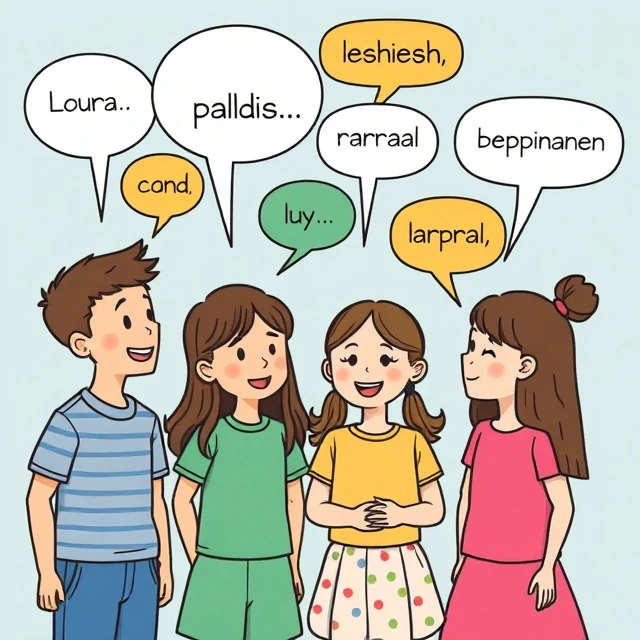
Bilingual talk often mixes languages inside one exchange. Code-switching is the alternation between two or more languages or varieties within a conversation or even a single sentence.
Switches may signal identity, adjust social distance, quote another speaker, or supply a missing word. Structural constraints limit where switches can occur. Community norms decide whether switching is valued, tolerated, or stigmatized.
Researchers separate code-switching from borrowing by looking at frequency, adaptation, and speaker awareness. Corpora show that skilled switchers follow systematic patterns. Education debates sometimes misread switching as deficit rather than bilingual skill.
- Alternation between languages in conversation
- Serves social, pragmatic, and lexical functions
- Constrained by structure and community norms
- Distinct from one-off borrowing
Comments
No comments yet. Be the first to share a thought.
Leave a comment