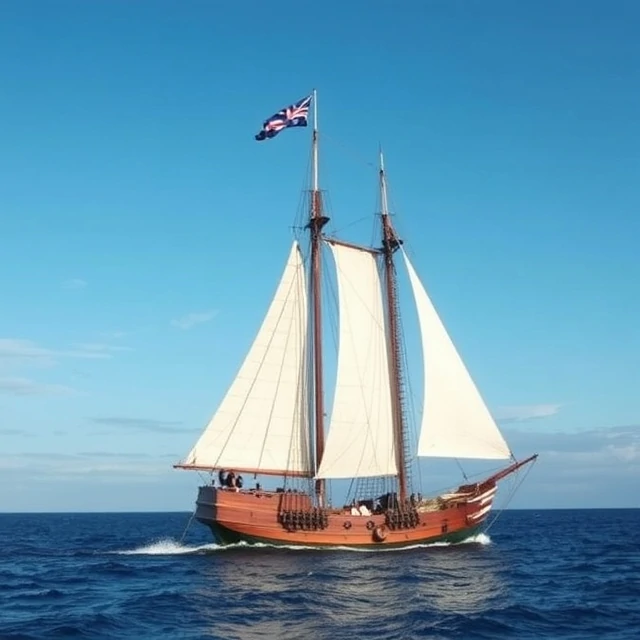
European ships began crossing open oceans in search of new routes and lands. The Age of Exploration, spanning roughly the fifteenth to seventeenth centuries, saw Portuguese, Spanish, and later English, French, and Dutch voyages reach Africa, Asia, and the Americas.
Advances in ship design, navigation instruments, and cartography made longer voyages possible. Motivations mixed trade, religious zeal, and rivalry among monarchs. The resulting contacts brought silver, spices, and new crops into global circulation, but also disease, conquest, and the Atlantic slave trade.
Chronicles, maps, and cargo lists from the period record both the ambition and the human cost. Indigenous societies faced upheaval; European economies and diets were transformed. The age redrew the known world and laid foundations for later colonial empires.
- Period of European overseas voyages
- Driven by trade, religion, and rivalry
- Linked continents through exchange and conquest
- Transformed global maps and economies
Comments
No comments yet. Be the first to share a thought.
Leave a comment