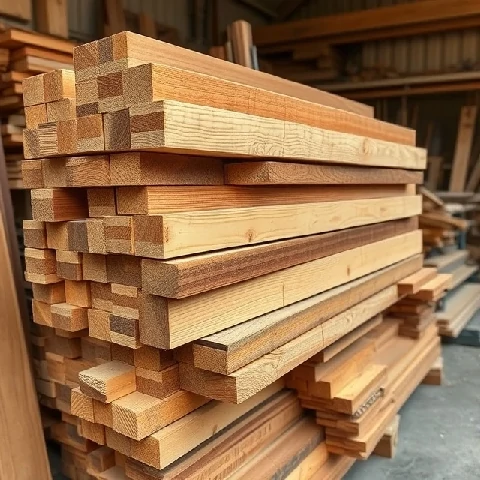
Wood comes from trees, and every species behaves differently. Oak is hard, open-grained, and strong. Pine is soft, resinous, and easy to work. Walnut is dark, dense, and takes a fine finish. Maple is light, tight-grained, and resistant to wear. Cherry darkens with age. Teak resists rot and water. The list goes on, and the differences matter. A woodworker chooses a species based on strength, weight, grain pattern, workability, and how the finished piece will be used.
Wood is also directional. It has grain that runs along the length of the log. Cutting with the grain is easy. Cutting across it is harder. Cutting against it tears the fibers. Wood moves with changes in humidity. It swells when wet and shrinks when dry. That movement never stops. A tabletop built with the grain running in different directions can crack as the seasons change. Good woodworking plans account for movement.
Hardwoods vs. softwoods
- Hardwoods — from deciduous trees like oak, maple, and walnut, generally denser
- Softwoods — from conifers like pine, fir, and cedar, generally lighter and easier to cut
The terms describe the tree, not the actual hardness of the wood. Balsa is a hardwood, and it is softer than almost any softwood. Always test a scrap before committing to a new species.
Comments
No comments yet. Be the first to share a thought.
Leave a comment