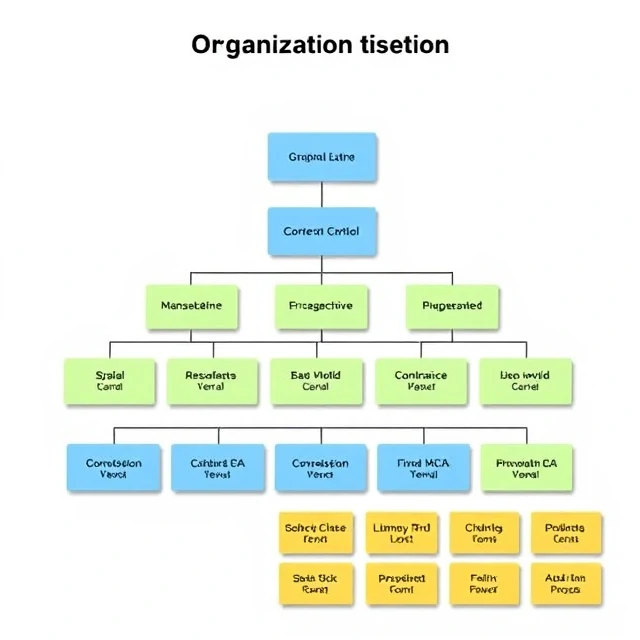
Managers can only give effective attention to so many people. Span of control is the number of direct reports supervised by a single manager.
Narrow spans allow close supervision and development but add layers and cost. Wide spans flatten the organization and empower subordinates yet risk overload and inconsistent coaching. Optimal span depends on task complexity, employee skill, geographic dispersion, and available coordination tools.
Restructuring often adjusts spans deliberately. Technology and self-managing teams enable wider spans than classical theory assumed. Measuring managerial workload alongside headcount prevents paper spans that look efficient and fail in practice.
- Number of subordinates reporting to one manager
- Trade-off between supervision depth and organizational layers
- Depends on complexity, skill, and tools
- Should reflect real managerial capacity
Comments
No comments yet. Be the first to share a thought.
Leave a comment