Amplitude modulation is a modulation technique that varies the strength of a carrier wave. The carrier is a steady high-frequency signal. The information — audio, data — changes the carrier's amplitude. The result is a wave that rises and falls in strength, carrying the original signal.
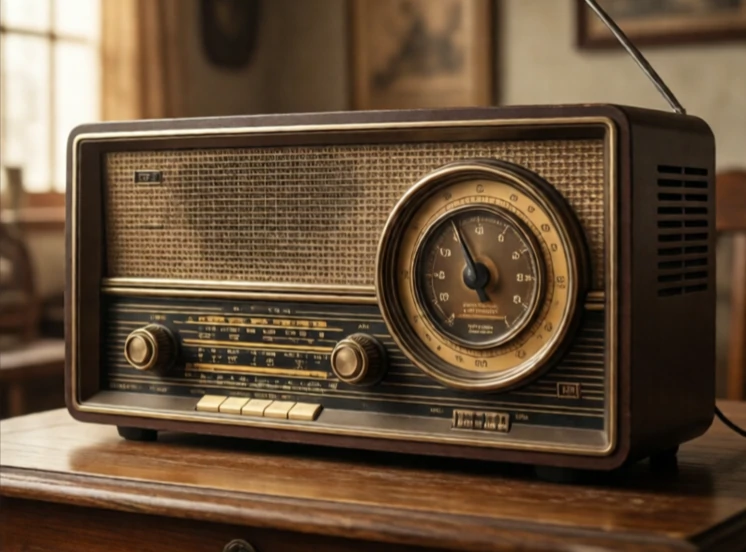
AM radio is the classic example. A station broadcasts at a fixed frequency, say 1010 kHz. The amplitude of that wave changes with the sound. A simple receiver detects those changes and recovers the audio. AM is simple and travels long distances. But it is susceptible to noise from lightning, motors, and electrical equipment.
Common forms
- AM radio: medium wave broadcast
- QAM: quadrature amplitude modulation, used in digital TV and modems
- ASK: amplitude shift keying, digital on-off
- SSB: single sideband, efficient voice transmission
AM is not just for radio. QAM carries digital data in cable modems, Wi-Fi, and digital TV. It combines amplitude and phase changes to encode many bits per symbol. The old technique still powers modern networks.
Comments
No comments yet. Be the first to share a thought.
Leave a comment