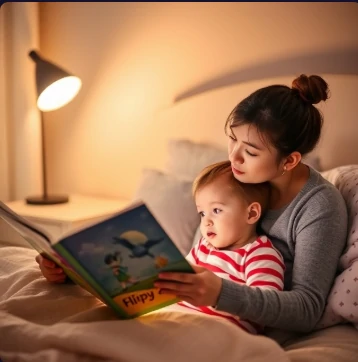
Primary socialization happens in early childhood, usually within the family. It is the process by which a child learns language, basic values, and social skills. It is the most intense and lasting form of socialization. What is learned early becomes deeply embedded and hard to change.
The family is the primary agent. Parents, siblings, and caregivers transmit norms, emotions, and expectations. A child learns whether the world is safe or dangerous, whether needs are met, and whether they are valued. These lessons shape personality and mental health for life.
What is learned
- Language and communication
- Basic hygiene and self-care
- Emotional regulation
- Gender expectations
- Trust or mistrust of others
Primary socialization is not uniform. Children in different families and cultures learn different lessons. A child in a collectivist society may learn cooperation. A child in an individualist society may learn independence. Both are forms of primary socialization, adapted to local conditions.
Comments
No comments yet. Be the first to share a thought.
Leave a comment