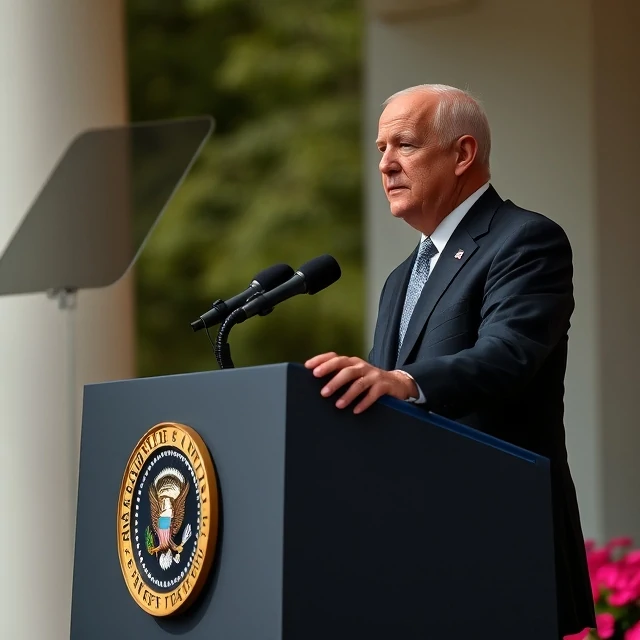
In republics the head of state is often a president. The office may be largely ceremonial or, in presidential systems, the central executive authority elected independently of the legislature.
Presidential powers typically include commanding the armed forces, conducting foreign relations, appointing senior officials, and signing or vetoing legislation. Term lengths and limits vary. Direct election gives presidents a personal mandate; indirect election through an electoral college or parliament alters the relationship to voters and parties.
The concentration of visibility and authority in one person creates both decisive leadership and the risk of personalization. Relations with the legislature can be cooperative or antagonistic depending on partisan control and institutional rules. Impeachment or equivalent processes provide a last-resort check on presidential misconduct.
A president’s formal powers are only part of the story; skill and circumstance determine how fully they are realized.
Comments (2)
Leave a comment