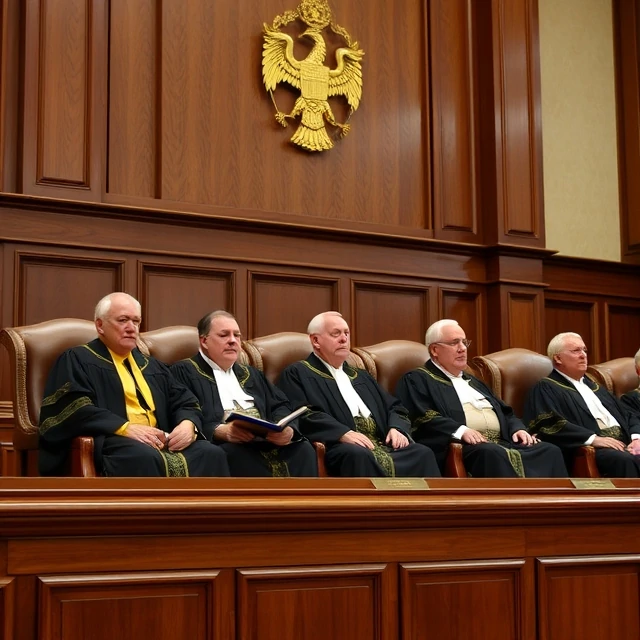
Disputes about the meaning of law and its application to particular cases are resolved by the judiciary. This branch of government consists of courts and the judges who staff them.
Independent judiciaries interpret statutes, review the constitutionality of legislation and executive action, and protect individual rights. Appointment methods, tenure protections, and budgets affect the degree of independence. In common-law systems, judicial decisions also create precedent that guides future cases.
The judiciary’s power is considerable yet constrained. Courts lack the purse and the sword; they rely on voluntary compliance and the support of other branches for enforcement. Controversies over judicial activism or restraint reflect deeper disagreements about the proper role of unelected judges in a democracy. Public confidence in the impartiality of courts is a critical asset that is easier to lose than to restore.
- Branch that interprets and applies the law
- Resolves disputes and reviews government action
- Independence protected by institutional design
- Relies on compliance by other actors
Comments (3)
Leave a comment