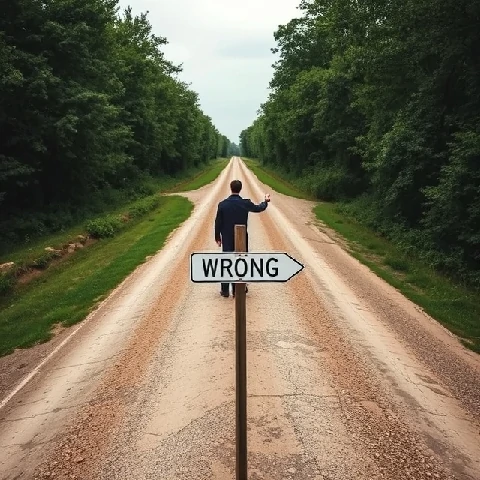
Morality concerns principles of right and wrong behavior. It is what we appeal to when we say an action is good or bad, praiseworthy or blameworthy. Morality is not the same as etiquette, which concerns manners, or law, which is enforced by the state. It is not the same as religion, though religions often include moral teachings. Morality is about how we treat each other and what we owe to one another. It is a social phenomenon, but it also has a personal dimension. Conscience, guilt, and integrity are moral concepts.
Philosophers have debated the foundations of morality. Are moral truths objective, like mathematical truths, or are they human constructions? Are they universal, or do they vary by culture? Do they depend on God, or on reason, or on sentiment? Moral realism holds that there are objective moral facts. Moral anti-realism denies it. Within anti-realism, subjectivism holds that moral statements express personal attitudes. Relativism holds that they are true relative to a culture or individual. Emotivism holds that they express emotions. The debate is not just academic. It shapes how we think about human rights, justice, and punishment.
Moral concepts
- Right and wrong. What we ought and ought not to do.
- Good and bad. What is valuable or harmful.
- Virtue and vice. Traits of character.
- Responsibility. Accountability for actions.
Morality is not always clear. Dilemmas arise when values conflict. That is why moral reasoning matters.
Comments
No comments yet. Be the first to share a thought.
Leave a comment