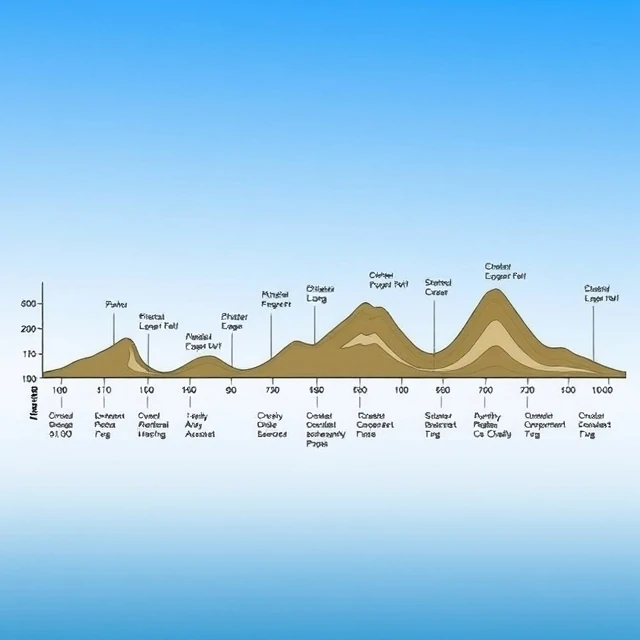
Within the finer divisions of geologic time sits the epoch. An epoch is a subdivision of a period and typically lasts several million to tens of millions of years. The Pleistocene and Holocene are epochs familiar from discussions of ice ages and recent human history.
Epochs are defined by recognizable changes in the fossil record or by climatic and oceanographic events recorded in sediments. Marine microfossils often provide the detailed biostratigraphy needed to correlate epoch boundaries worldwide. Radiometric dates anchor these relative divisions to absolute time.
We currently live in the Holocene Epoch, which began about 11,700 years ago after the last major glacial interval. Some scientists argue that human impact has been large enough to warrant recognition of a new epoch, the Anthropocene, though formal adoption remains under discussion. Epochs give manageable units for studying relatively recent Earth history.
- Subdivision of a geologic period
- Typically lasts millions of years
- Defined by fossils or climatic markers
- Holocene is the current epoch
Comments
No comments yet. Be the first to share a thought.
Leave a comment