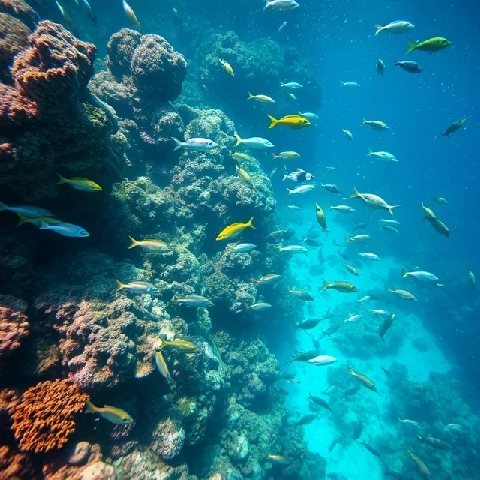
Biodiversity is the variety of life on Earth. It includes genes, species, and ecosystems. A rainforest with thousands of species has high biodiversity. A monoculture farm field has low biodiversity. The term covers not just how many species exist, but how different they are and how they interact.
Why it matters is simple. Diverse ecosystems are more stable. If one species declines, others can fill the gap. Diverse gene pools help crops and livestock survive disease and climate shifts. Medicines often come from wild plants and fungi. A quarter of modern drugs trace back to natural sources.
Biodiversity is declining fast. The Living Planet Index shows wildlife populations have dropped by an average of 69 percent since 1970. Habitat loss is the main driver, followed by overexploitation, pollution, and climate change. Extinction rates are tens to hundreds of times higher than the natural background rate. Protecting remaining habitats is the most effective response.
Levels of biodiversity
- Genetic diversity
- Species diversity
- Ecosystem diversity
- Functional diversity
- Phylogenetic diversity
Comments
No comments yet. Be the first to share a thought.
Leave a comment